Environment
Identifying and spreading good environmental practice wherever the upstream industry operates.
Environment
Identifying and spreading good environmental practice wherever the upstream industry operates.
We are dedicated to identifying and spreading good environmental practice wherever the upstream industry operates.
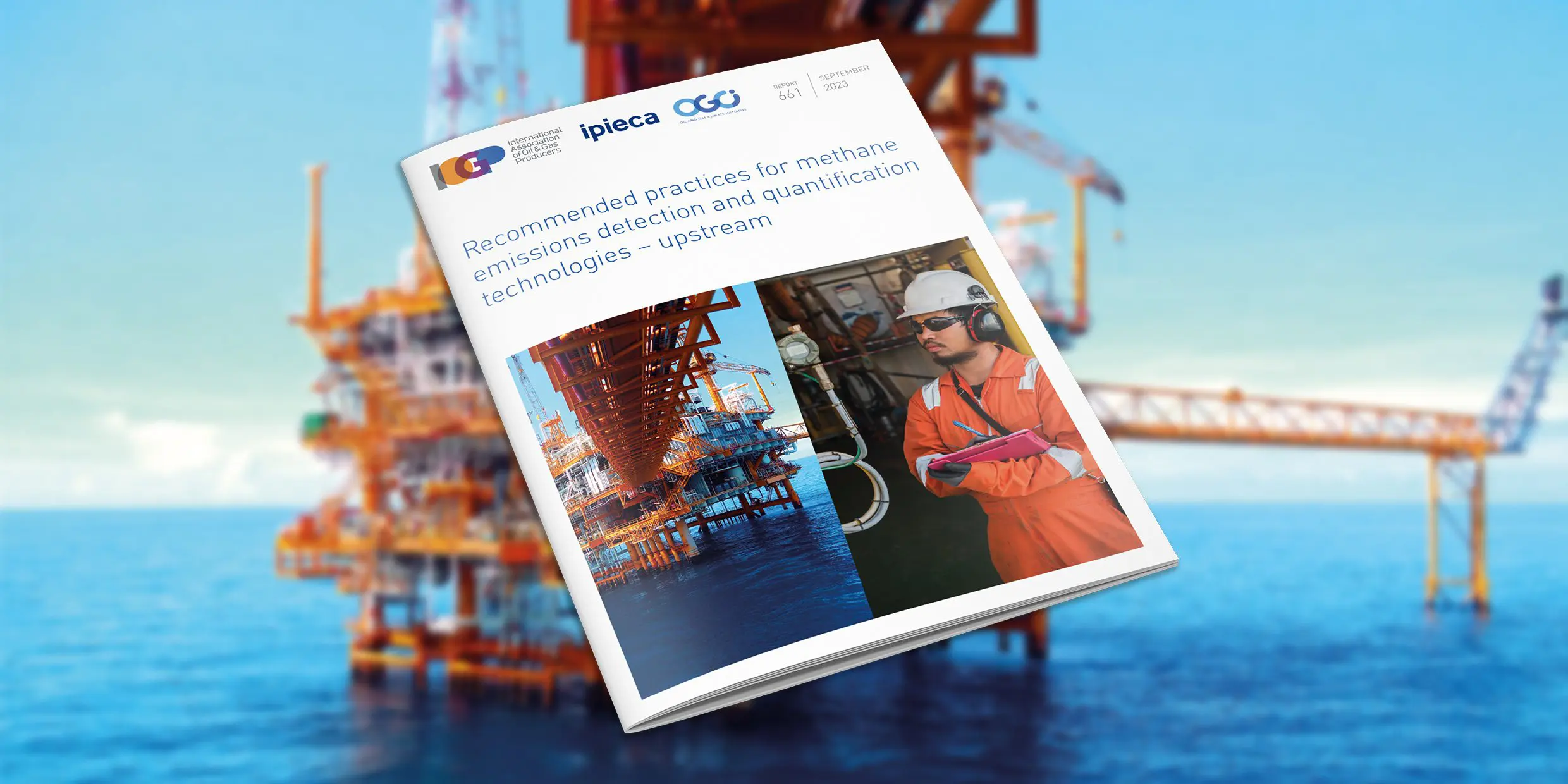
Methane emissions detection and quantification
IOGP and our Members recognize that reducing methane emissions from our industry is a critical step in decarbonizing energy production.
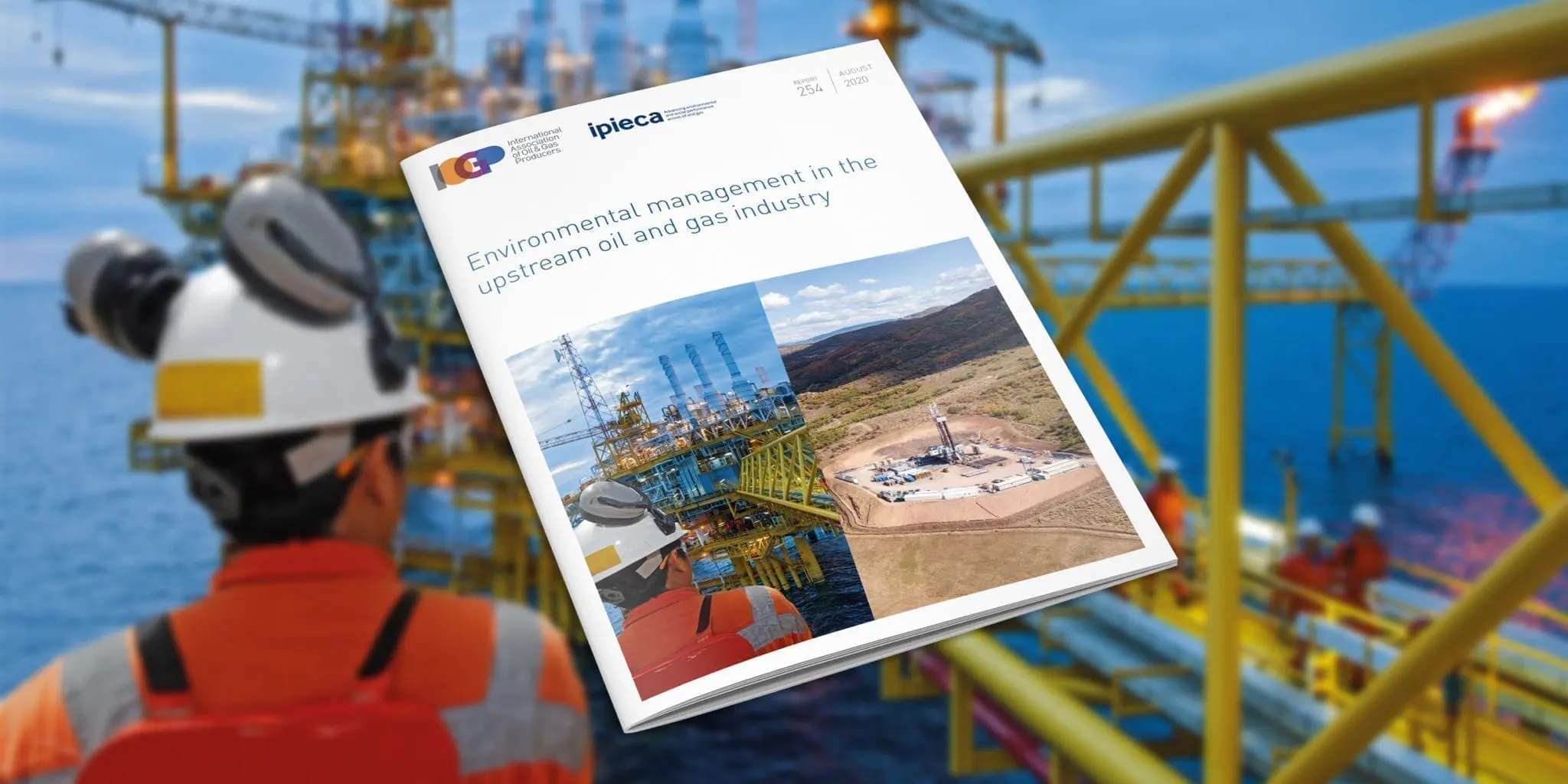
Environmental management
This report provides a detailed overview of environmental management practices in the upstream oil and gas industry.
Environmental performance indicators
Our environmental performance database represents about one-third of known hydrocarbon production
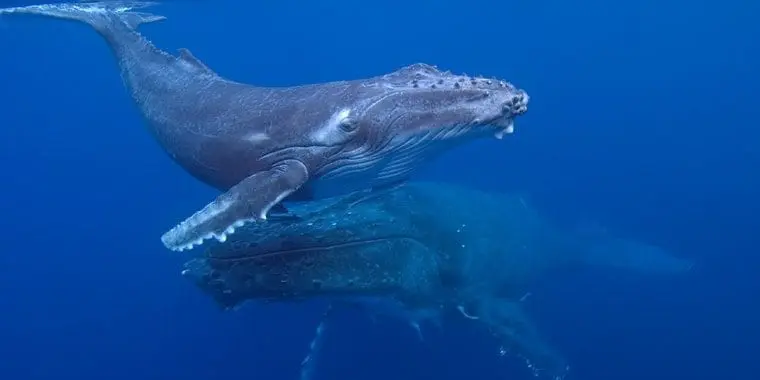
Seismic surveys and marine mammals
Sound is important to marine mammals. Even low levels of sound, made by humans or from other sources, has been shown to elicit a wide variety of responses as might be expected for intelligent animals with excellent hearing.
Underwater Sound Research Database
This database helps to inform underwater sound Environmental Impact Assessment studies associated with exploration and production activities.
Joint Industry Programmes
IOGP manages a number of Environmental Joint Industry Programmes
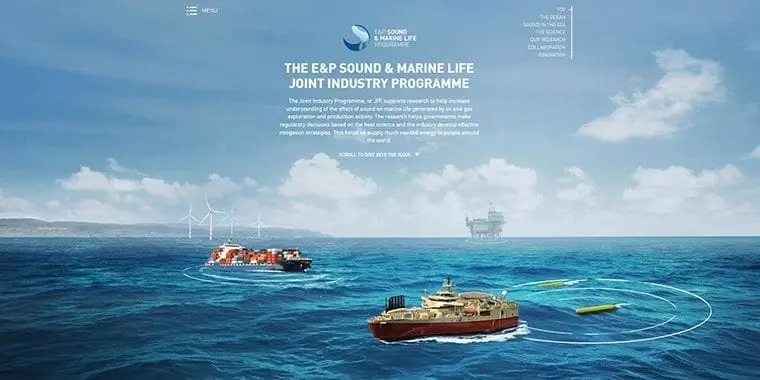
Sound & Marine Life JIP
The Joint Industry Programme (JIP) supports research to help increase understanding of the effect of sound on marine life generated by oil and gas exploration and production activities.

Environmental genomics research programme
Coordinating research aimed at exploring the application of eDNA-based analyses in environmental assessments and monitoring of oil and gas offshore and onshore operations.
Related content
IOGP has released an important update on the manufacture of the dispersant COREXIT™. February 2025
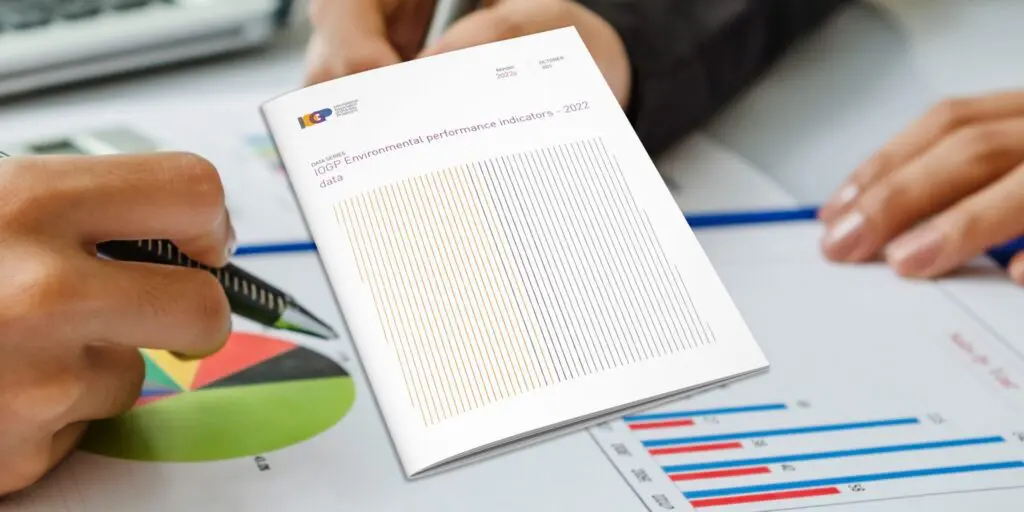
IOGP Environmental Performance Indicators – 2022 data is now available. The report is accompanied by a standalone executive summary, and a supplementary document focused on the environmental performance of activities within Europe.
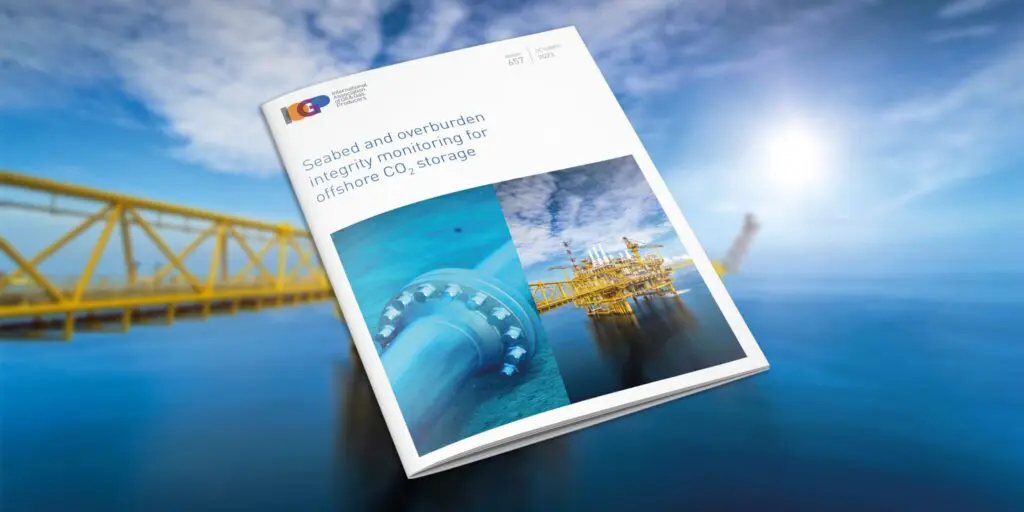
IOGP has published Seabed and overburden integrity monitoring for offshore CO2 storage (IOGP Report 657)
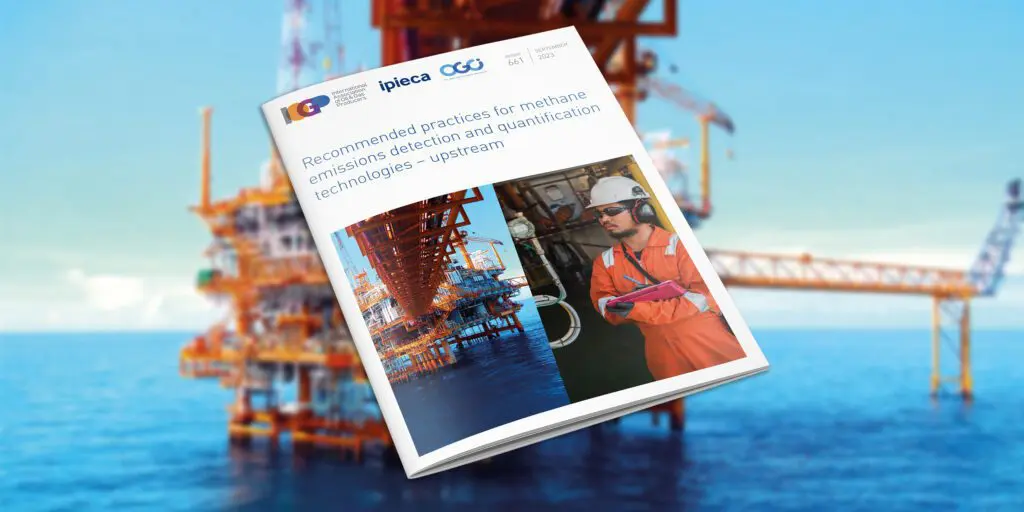
September 26, 2023 — IOGP, together with industry associations the Oil and Gas Climate Initiative (OGCI), and Ipieca, have released a recommended practices guide to help operators select and deploy methane detection and quantification technologies.
Recent publications
Environmental data collection user guide (2025 data) – Definitions and exclusions
The collection, collation, and reporting of upstream environmental information has been a central part of the IOGP work programme since 1998. IOGP Member Companies are…
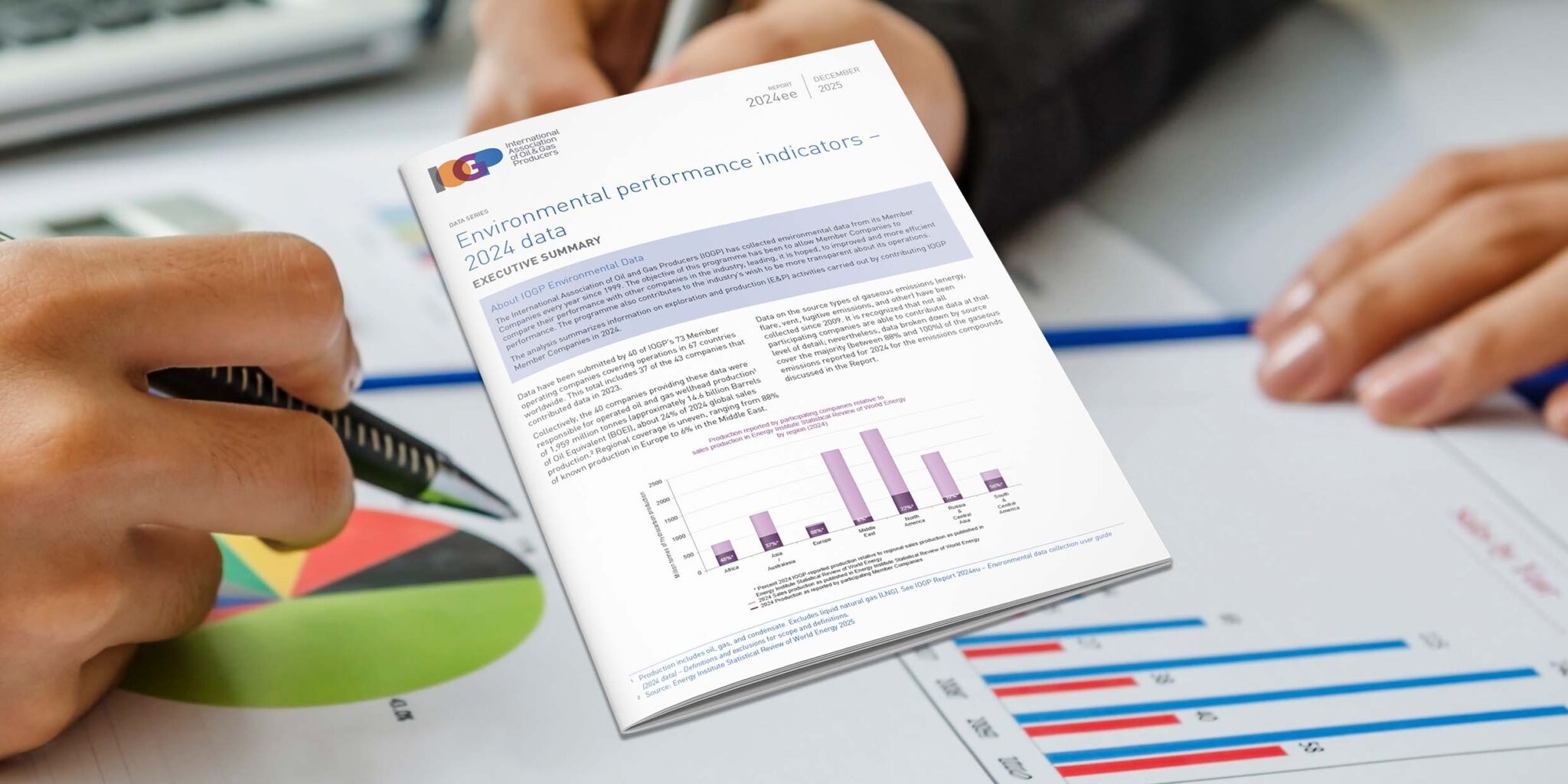
Environmental performance indicators – 2024 data – executive summary
This document provides a brief overview of the main points from the 2024 environmental performance data. It is a supplement to IOGP Report 2024e –…
IOGP Environmental performance indicators – 2024 data
The International Association of Oil and Gas Producers (IOGP) has collected and published environmental data from its Member Companies every year since 2001. The objective…
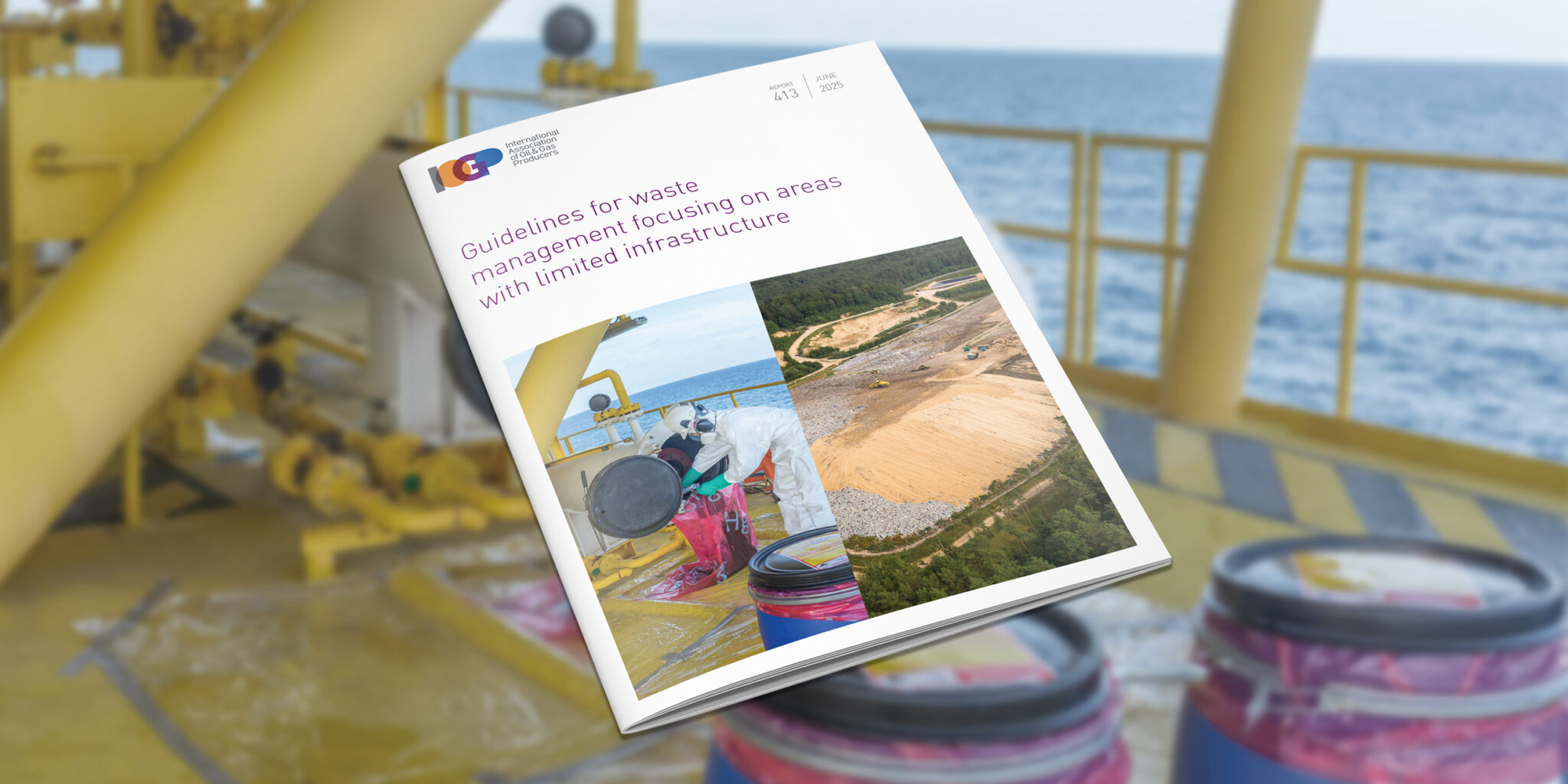
Guidelines for waste management focusing on areas with limited infrastructure
This document provides fundamental guidance on waste management in exploration and production (E&P) operations focusing on managing waste in areas where there is little or…
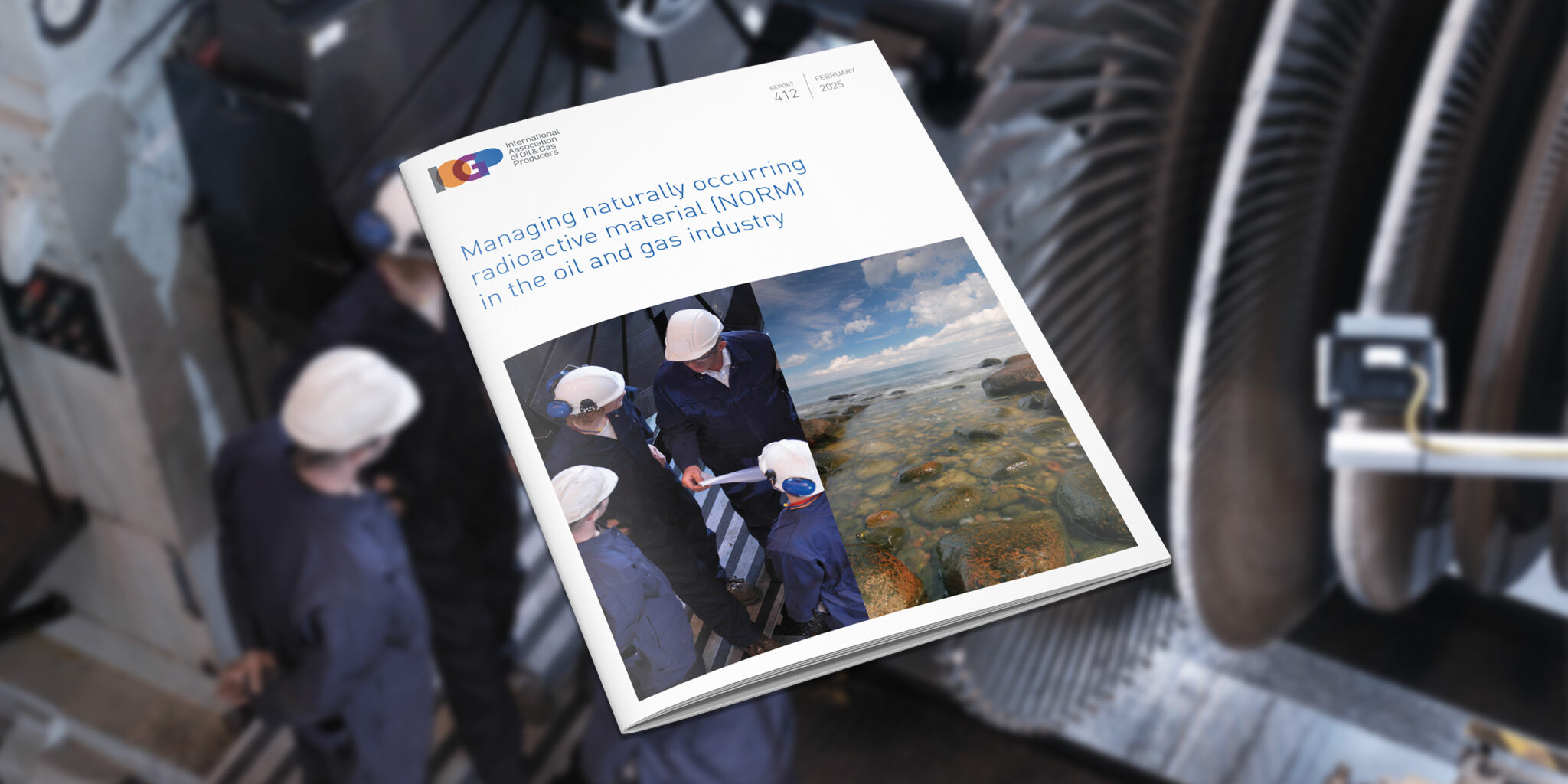
Managing Naturally Occurring Radioactive Material (NORM) in the oil and gas industry
To manage the risk that exposure to naturally occurring radioactive material (NORM) may pose to people and the environment, the oil and gas industry has…

Environmental data collection user guide (2024 data) – Definitions and exclusions
The collection, collation, and reporting of upstream environmental information has been a central part of the IOGP work programme since 1998. IOGP Member Companies are…
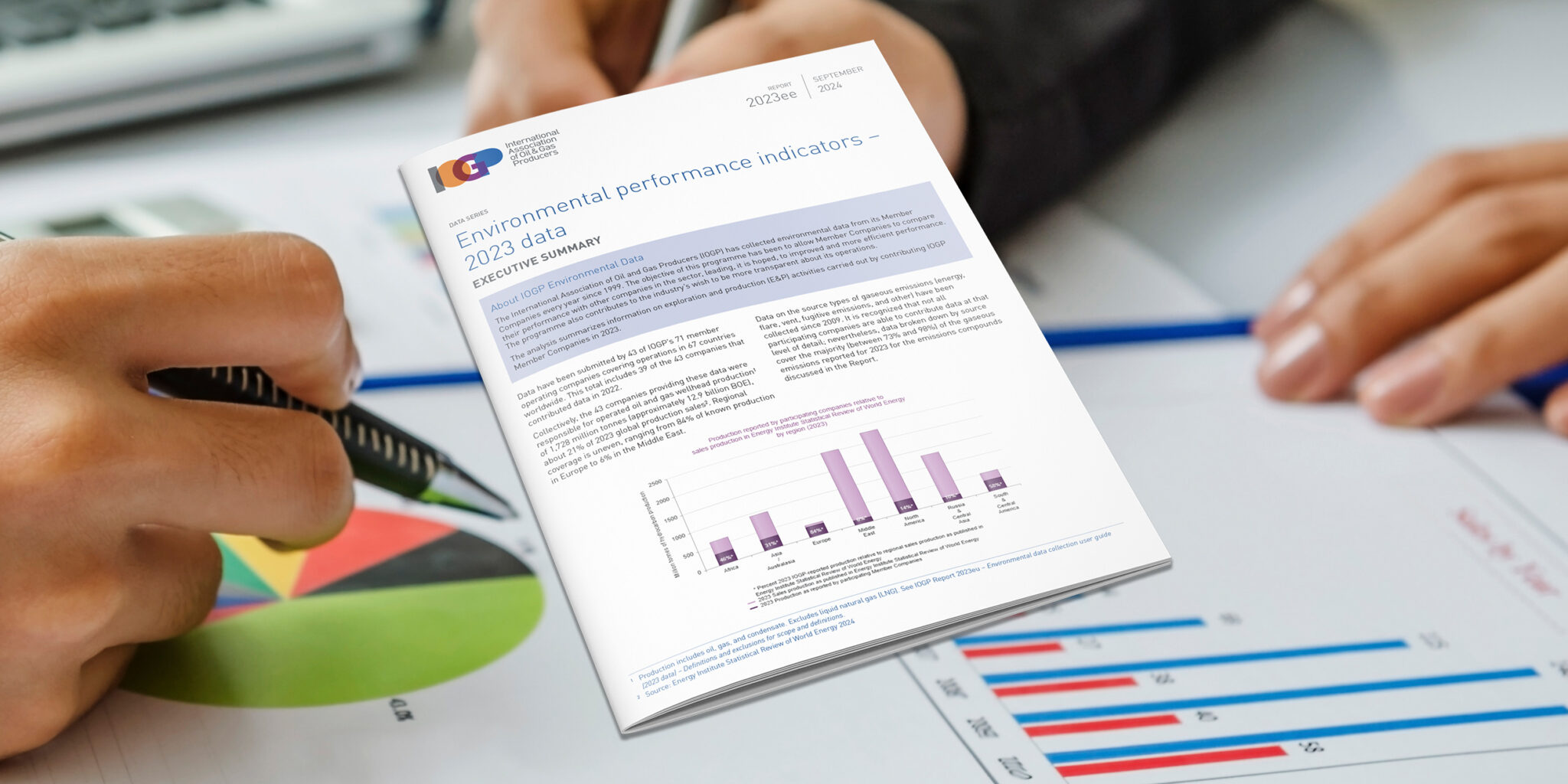
Environmental performance indicators – 2023 data – executive summary
This document provides a brief overview of the main points from the 2023 environmental performance data. It is a supplement to IOGP Report 2023e –…
IOGP Environmental performance indicators – 2023 data
The International Association of Oil and Gas Producers (IOGP) has collected and published environmental data from its Member Companies every year since 2001. The objective…

Invasive alien species and the energy industry
Study this guide to minimize the transfer of Alien invasive species at both onshore and offshore operations, and minimize adverse outcomes. IOGP Report 436 The post…

Fate and effects of naturally occurring substances in produced water
Produced water is generated during the operation of oil and gas wells. It contains a complex mixture of dissolved and particulate organic and inorganic substances,…