Well control
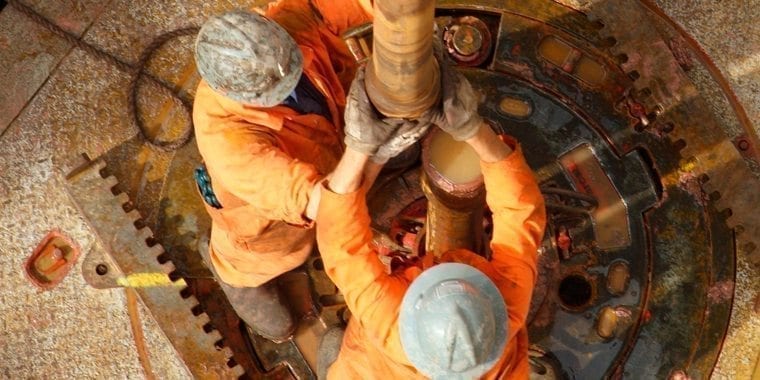
Primarily focussed in the area of prevention, in order to reduce the likelihood of major incidents.
Well control
Primarily focussed in the area of prevention, in order to reduce the likelihood of major incidents.
Wells Expert Committee
The Well Expert Committee aims to be the global voice of well Operators and a relevant and effective technical authority on the prevention and mitigation of high consequence well control events.
The purpose of the Wells Expert Committee is to improve well Operators’ effectiveness in the prevention and mitigation of high consequence well control events throughout the well life cycle, but particularly during well construction and well work, recognising that such events pose the highest global risk to safety, to the environment, and to the industry’s license to operate.
Well Control Incidents
The purpose of the Well Control Incidents Subcommittee is to collect, assess and share global well control incidents and learnings of continuously improving quality from IOGP members and alternate sources, in order to prevent reoccurrence of such events.
Competency and Training
The purpose of the Competency and Training Subcommittee is to minimize the impact of global well control events due to operations-related human error. This involves providing individuals and operations teams in our industry the leadership and guidance to assure development and verification of technical and non-technical competency, including human behaviours.
Well Control Systems
The Well Control Systems subcommittee assists industry in the prevention of high consequence well control events, recognizing that such events pose the highest societal risk on a drilling or work over rig. It develops and implements strategies to address key global well control issues by leveraging its global standing and uniting operators, contractors, industry associations, regulatory bodies, and other key stakeholders accordingly.
- RAPID S-53 BOP Reliability JIP – Administered by IADC, Co-Sponsored by IOGP
- Shearing Database JIP – Administered by Stress Engineering
Subsea Well Response & Source Control
The purpose of the Subsea Well Response & Source Control Subcommittee is to support the industry in planning and use of subsea well response and source control equipment and associated activities and services, centred around risk based and balanced approaches.
Well Standards
The WEC Standards Liaison monitors the development of critical well control and well integrity standards that supports the WEC purpose and overall mission of prevention.
Contacts
- Chair: Paul Forman, BP
- Vice Chair: Alexandre Depiesse, TotalEnergies
- Director: Steve Norton
For more information, contact Committee Manager Diana Khatun, dk@iogp.org
Related content
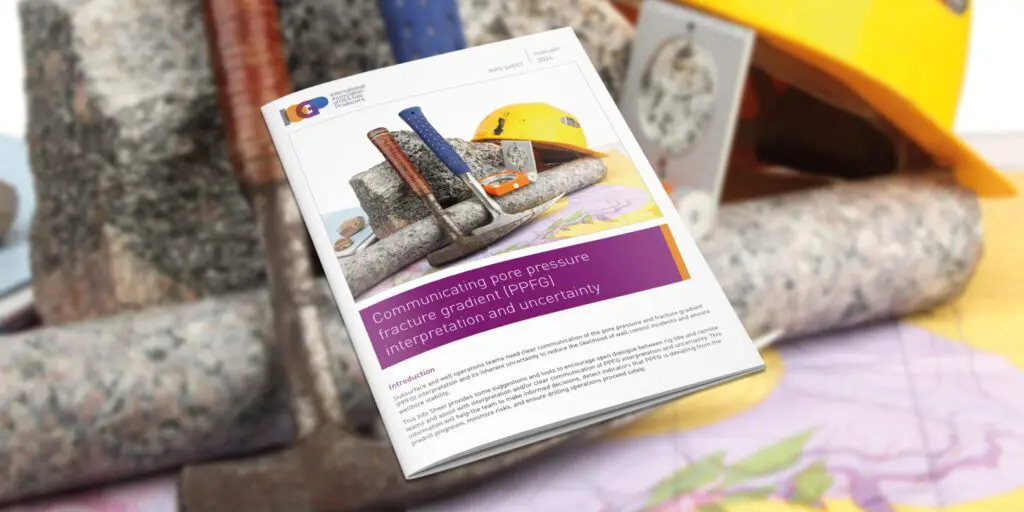
Improving the communication of pore pressure fracture gradient (PPFG) interpretation and uncertainty
Uncertainties related to pore pressure and fracture gradient (PPFG) can play a significant role in causing well control incidents. The International Regulators Forum (IRF) has seen serious well control incidents relating to pore pressure and fracture gradient (PPFG) prediction and monitoring.

IOGP has published IOGP Report 668 – Gamification techniques in well control training and competency, a summary of a meta-analytical study into the effectiveness of gamification techniques in workplace learning.

IOGP’s Wells Expert Committee has released an updated version of IOGP Report 476 – Recommendations for enhancements to well control training, examination, and certification.

Using test results, simulator experiences, and a survey of over 500 students and instructors, IOGP studied the impact of virtual learning on well control competency

An IOGP study has found that eye tracking technology is an effective analysis tool and has the potential to be of value in other human performance areas that affect wells operations, and enable future safety improvements for well control.

IOGP has published Well Control Incident Definitions a classification system for Well Control Incidents (WCIs).
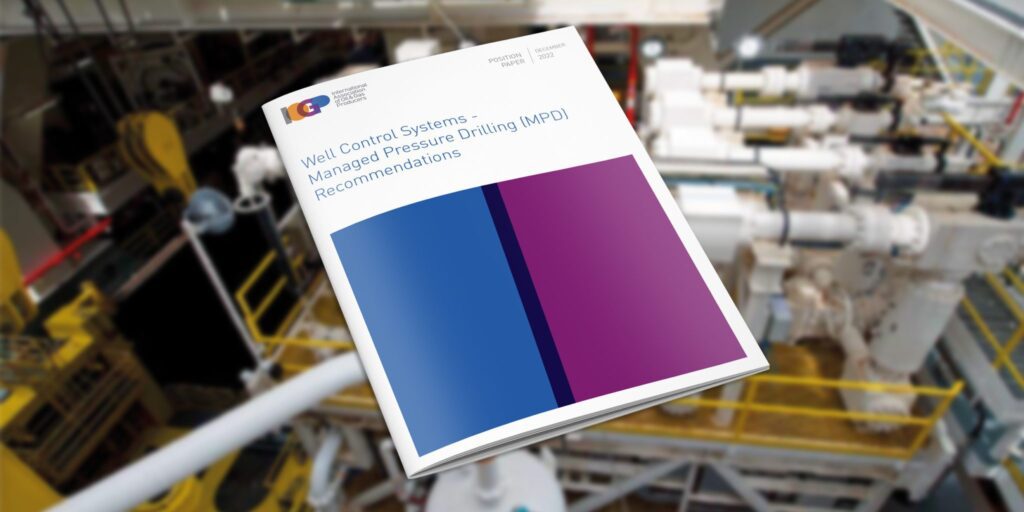
IOGP has carried out a systematic review of managed pressure drilling systems and components to identify opportunities for further improvements to existing standards and references.

Uncertainties related to PPFG have caused well control incidents to occur, and well control incident analysis has identified PPFG understanding and communication as a key underlying factor.

IADC, an IOGP Member organisation, has announced the launch of a Subsea Competency Assessment Program.

IOGP’s Wells Expert Committee (WEC) has commissioned IAS International Oil & Gas Consultants to conduct a survey to determine the effectiveness of virtual learning following the impact of COVID-19.
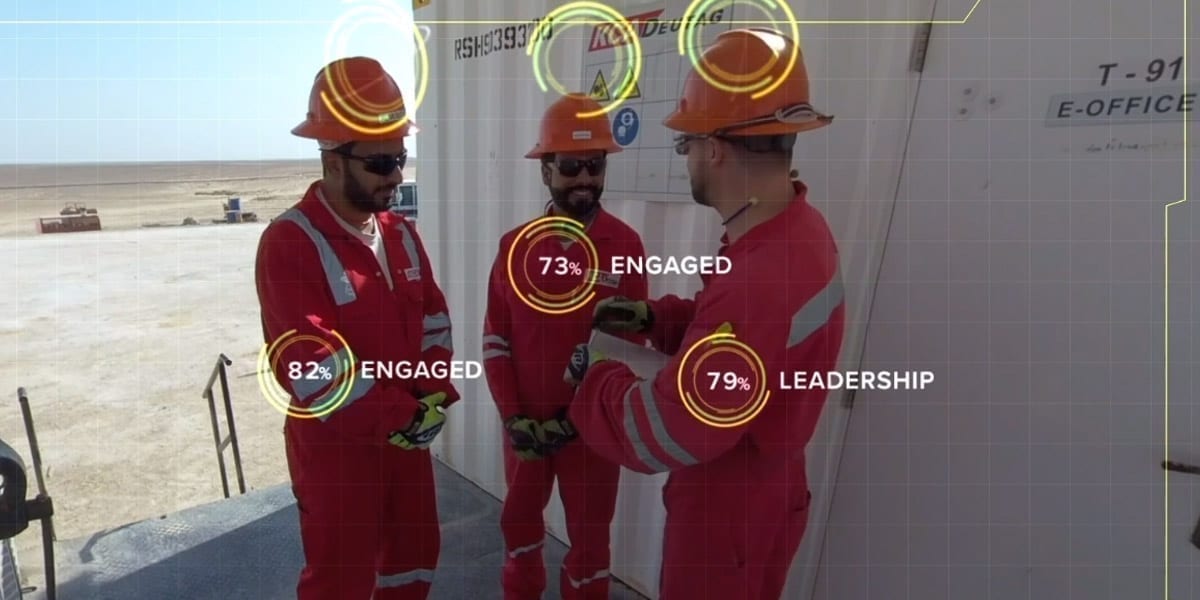
We know that human factors are a significant contributor to many workplace incidents; we often hear statistics like ‘80% of well control incidents have been attributed to human errors.’ Yet, it’s an area that’s notoriously hard to tackle. Humans are, after all, human.

In each edition of Pulse, we publish a short interview with an IOGP colleague or Committee Member. This month’s interview is with the Chair and Vice Chair of the Wells Expert Committee: Paul Forman (bp) – Chair, and Norbert van Beelen (Shell) – Vice-Chair.
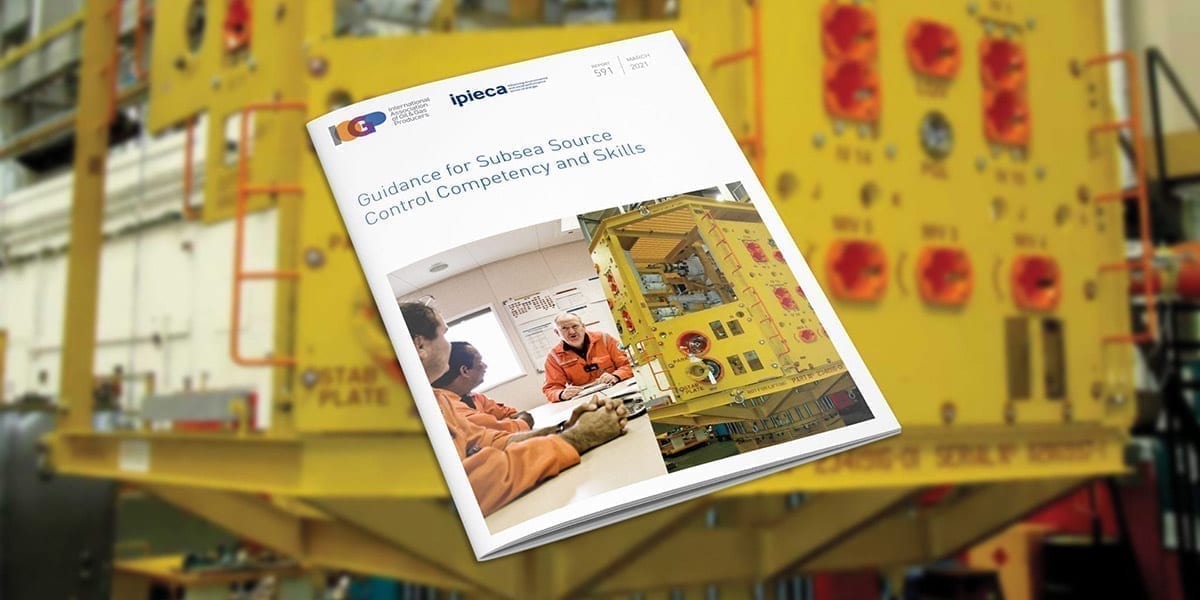
Guidance for Subsea Source Control Competency and Skills (IOGP-IPIECA Report 591) was developed to share guidance with those interested in understanding subsea well response competency and the skills that sit within it.

As some of the WEC leadership moves on to new things, we welcome the new leaders who have volunteered to add to this legacy with tangible next steps.

This month’s interview is with Diana Khatun, IOGP’s Wells Expert Committee Manager. She is based at IOGP’s London office, and kindly agreed to this short interview on how IOGP responded to the Macondo blowout and oil spill.


The purpose of this fact sheet is to provide an overview of available documentation to personnel involved in calculation of blow out rates.

The use of acoustic tools in the evaluation of cement placement is an established practice. The measurement concept relies on an acoustic wave being transmitted along the casing and received
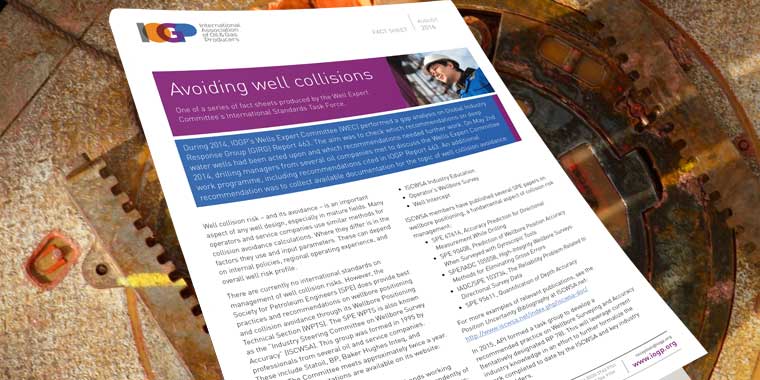
‘Avoiding well collisions’ is one of a series of fact sheets produced by the Well Expert Committee’s International Standards Task Force.